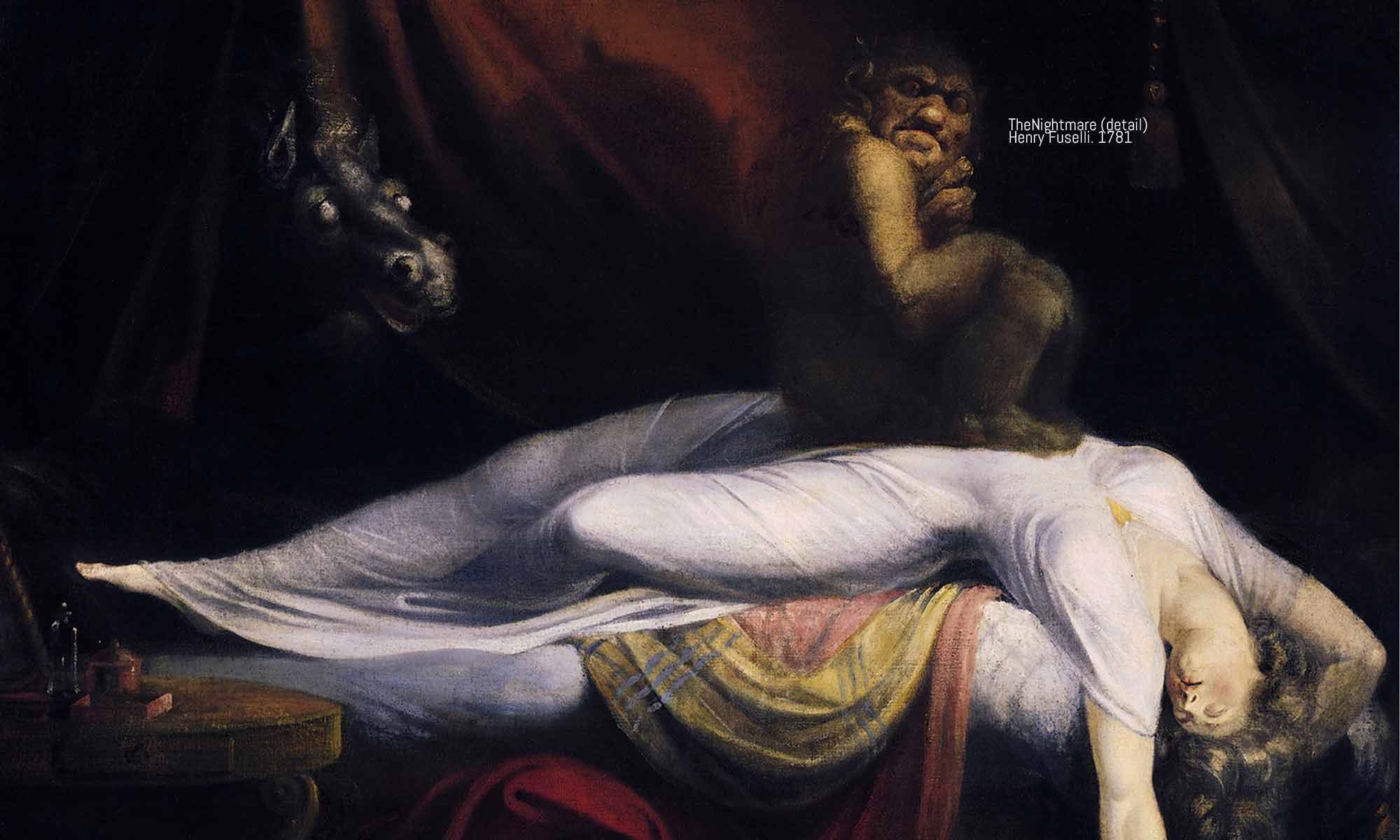
 The friendly dream-sharing of Benjamin Rush and John Adams took an eerie prophetic turn.
This Fourth of July not only marks America’s 250th birthday. It also represents the 200th anniversary of the deaths of country’s second and third presidents, John Adams and Thomas Jefferson, who passed away within five hours of each other on July 4, 1826.
More remarkable than the patriotic timing of their deaths is the fact that several years earlier Dr. Benjamin Rush, a mutual friend and signer of the Declaration of Independence, foresaw their simultaneous deaths in a dream.
Despite both serving as visionary leaders during the early, perilous days of the country, Adams and Jefferson became political enemies with drastically differing ideas about America’s future and how to get there. This caused distress for other revolutionary figures like Rush who feared their titanic disagreements would be too much for the fragile nation to endure.
Rush then took it upon himself in 1805 to engage with Adams, initiate a regular correspondence with him, and nudge him towards an eventual reconciliation with Jefferson. To accomplish this delicate diplomatic mission, Rush used a surprising method: he suggested to Adams that, instead of discussing common issues of the day in their letters, they share their dreams with each other.
As Joseph Ellis recounts in his Pulitzer-Prize winning book “Founding Brothers” (2002) “Adams leapt at the suggestion and declared himself prepared to match his old friend ‘dream for dream.’” (214).
There followed a remarkable exchange of dreams, interpretations, and insights both personal and political. Rush, a physician acting here as a kind of proto-psychoanalyst, slowly but surely brought Adams around to a more charitable and balanced view of Jefferson. Then, in 1809, Rush reported to Adams “his most amazing dream yet”:
“He dreamed that Adams had written a short letter to Jefferson, congratulating him on his recent retirement from public life. Jefferson had then responded to this magnanimous gesture with equivalent graciousness… Then the two philosopher-kings ‘sunk into the grave nearly at the same time, full of years and rich in the gratitude and praises of their country.’”
According to Ellis, Adams sent Rush an immediate and enthusiastic response: “‘A DREAM AGAIN! I have no other objection to your dream but that it is not history. It may be prophecy.’” (220)
At this time, Adams and Jefferson were still estranged; they did not resume their friendship until 1812. Rush’s dream thus pre-dates their eventual reconciliation by three years and their “nearly at the same time” deaths by seventeen years. To anticipate the former in a dream is impressive; to anticipate the latter in a dream is uncanny.
However, not even Rush’s evidently fertile prophetic imagination could foresee the poetic wonder of these two American giants entering the grave together on the Fourth of July, 1826, fifty years after the signing of the country’s founding document.
Other than adding a kind of mystical halo to early American history, what can we today learn from this remarkable process of dream-sharing among the Founding Fathers? For one thing, it sounds like they were having fun. The dreams they described to each other are as wild and bizarre as anyone else’s, and both Rush and Adams clearly enjoyed devoting their formidable mental powers to analyzing the curious meanings of each other’s oneiric experiences.
It also sounds like their dream-sharing provided them with a genuinely new understanding of recent political history and their roles in it. In addition to making valuable discoveries about their personal lives, Rush and Adams found their dreams led them to a deeper appreciation for the psycho-spiritual significance of the epic events they had helped to bring into being.
Perhaps of greatest relevance for our concerns two hundred years later, a practical outcome of their process was the healing of a bitter political division—E pluribus unum, with an assist from dreaming. This was Rush’s initial goal, and he achieved it spectacularly. Of course, the reconciliation didn’t happen overnight; it took several years of patient dream-sharing to get there. But once resumed, the Adams-Jefferson friendship remained strong and respectful till their symbolically appropriate end. On the bicentennial of their deaths, it seems fitting to highlight their admirable, dream-mediated willingness to set aside their political conflicts and find common ground in supporting and celebrating the highest ideals of our nation.
Note: this first appeared in Psychology Today, July 1, 2026.